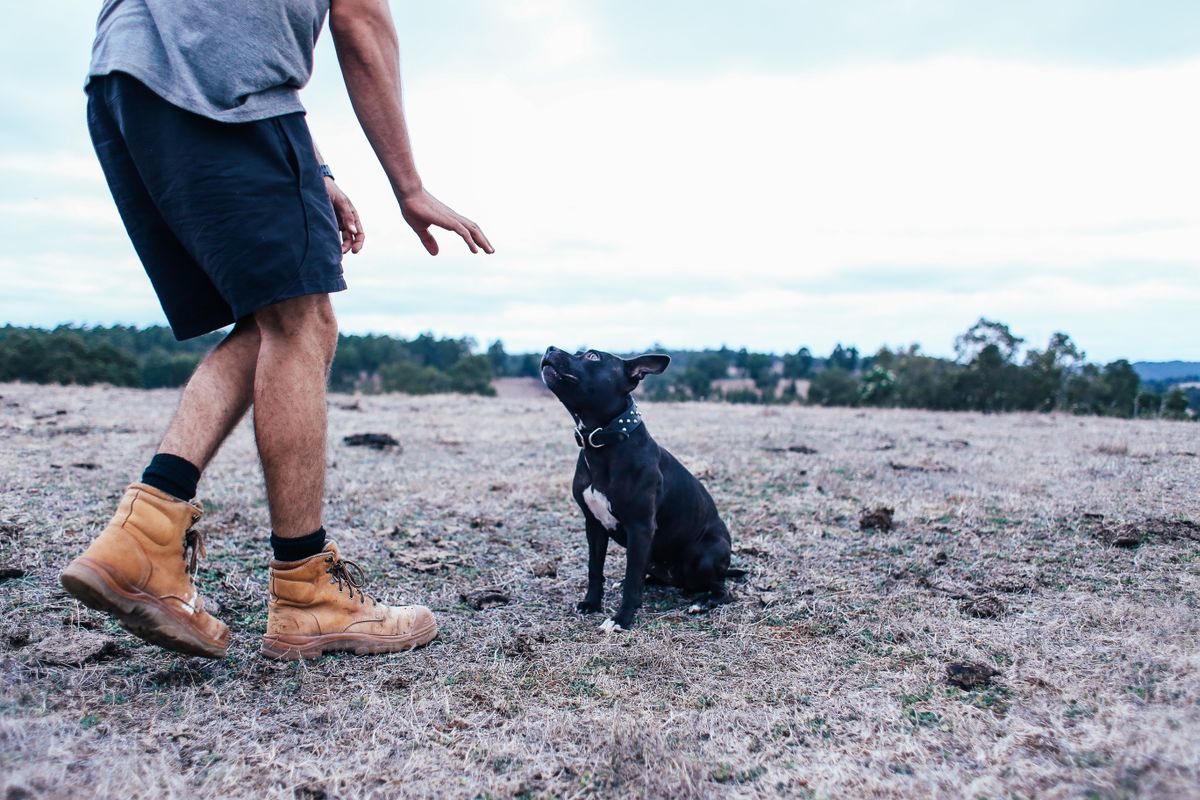
Why Positive Reinforcement Is the Best Way to Train Your Dog
The training world has largely settled this debate: positive reinforcement is the most effective and ethical way to train dogs. Here's the evidence.
What Positive Reinforcement Means
Adding something the dog values — a treat, praise, play — when they perform a behaviour. This increases the likelihood of that behaviour being repeated. It's not bribery, it's communication and motivation.
What the Research Says
- Dogs trained with reward-based methods show lower stress indicators
- Positive reinforcement produces longer-lasting behaviour change
- Dogs trained with aversive methods show higher rates of aggression, fear and avoidance
- The dog-owner relationship is stronger when training is reward-based
Practical Tips
- Use rewards your dog actually loves — not what's convenient
- Reward within one second of the behaviour
- Keep sessions short (5 minutes) and always positive
- Set your dog up to succeed rather than waiting for failure
- A private field gives you the distraction-free environment to implement positive training effectively
⚠️ Consult a qualified force-free trainer for specific behavioural concerns. SnoopPaws does not provide training advice.
Find a secure field near you. Search on SnoopPaws.
More in Dog Training
How to Teach Your Dog Recall From Scratch
Recall is the most important command you can teach your dog. Here's a complete step-by-step guide to building a reliable recall from scratch.
The 5 Most Important Commands Every Dog Should Know
Five essential commands that every dog needs for safety and quality of life. Here's how to teach each one step by step.
How to Stop Your Dog Pulling on the Lead
Lead pulling is one of the most common dog problems. Here's a practical guide to loose lead walking that actually works without harsh corrections.