
Signs Your Dog Isn't Getting Enough Exercise
Dogs can't tell you directly when they need more activity — but they communicate it clearly if you know what to look for.
Destructive Behaviour
Chewing furniture, digging, shredding toys — these are often boredom and excess energy looking for an outlet. Exercise and mental stimulation are usually the first things to address before any training intervention.
Hyperactivity and Restlessness
A dog that can't settle, paces constantly, or is always seeking interaction may simply have energy that hasn't been spent. Many owners mistake an under-exercised dog for a training problem.
Excessive Barking
Boredom barking — particularly when home alone — often reduces significantly once a dog's exercise needs are properly met. A genuinely tired dog settles and sleeps.
Rough Play or Mouthiness
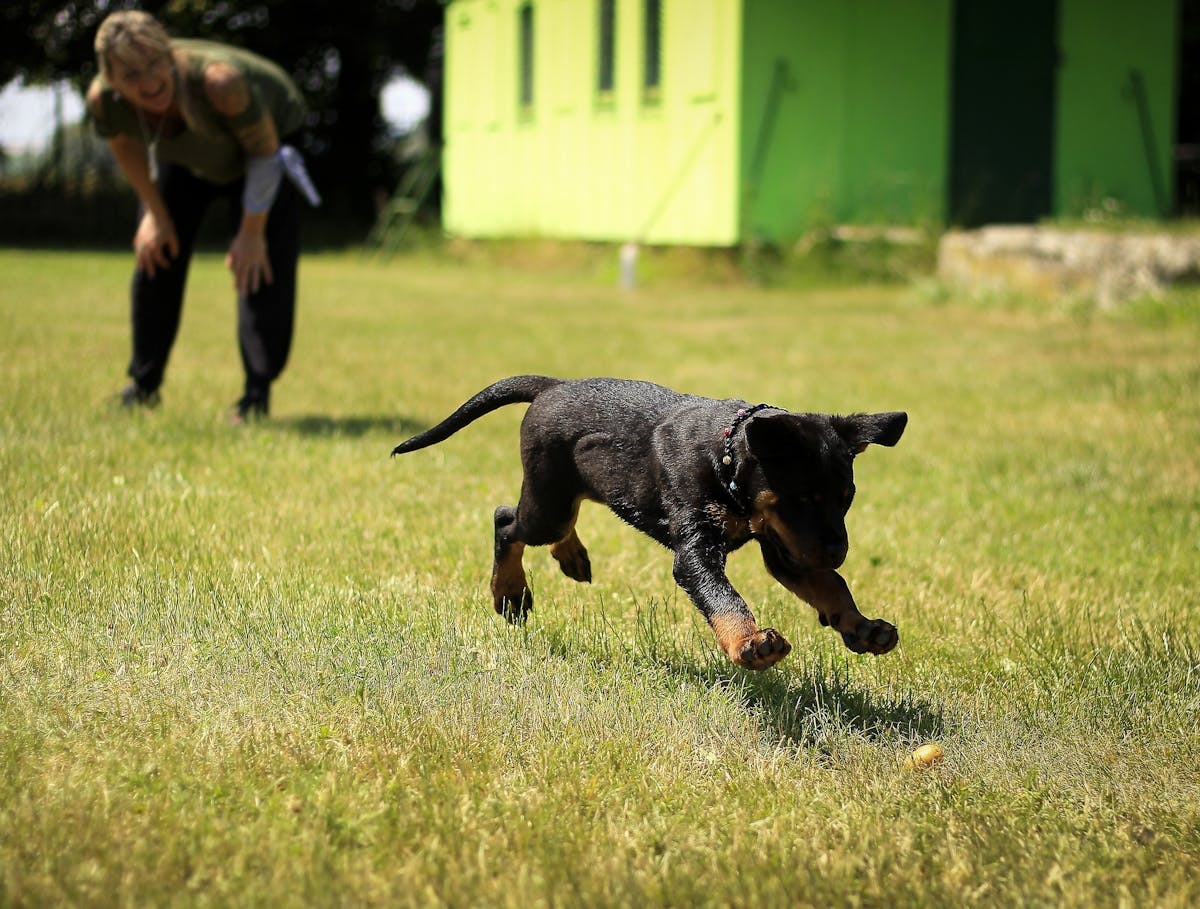
Dogs with excess energy often become rougher in play. More off-lead running — especially in a private field where they can sprint properly — frequently reduces this.
The Solution: Quality Over Quantity
It's not always about more time. Off-lead running in a secure field, sniff walks and training sessions address exercise needs far more effectively than the same time walking on a lead.
⚠️ Sudden behavioural changes can have medical causes. Consult your vet if concerned. SnoopPaws does not provide veterinary advice.
Find a secure field near you. Search on SnoopPaws.
More in Dog Care
Dog Anxiety: Signs, Causes and How to Help
Dog anxiety is more common than most owners realise. Here's how to recognise the signs, understand the causes and take practical steps to help.
How to Introduce a New Dog to Your Home Successfully
Bringing a new dog home is exciting but needs careful management. Here's how to set your new dog up for success from day one.

How to Help a Dog With Separation Anxiety
Separation anxiety is distressing for dogs and owners. Here's a practical compassionate guide to understanding and improving separation anxiety in dogs.