
Dog Anxiety: Signs, Causes and How to Help
Anxiety in dogs is one of the most underdiagnosed and underaddressed welfare issues in pet ownership. Here's how to recognise it and what to do about it.
Common Signs of Anxiety in Dogs
- Panting or yawning when not hot or tired
- Pacing or inability to settle
- Excessive barking or whining
- Destructive behaviour
- Loss of appetite in stimulating environments
- Hiding or seeking constant proximity to owner
- Trembling or shaking
- Excessive grooming or licking
Common Causes
- Separation anxiety — distress when left alone
- Social anxiety — fear of strangers or other dogs
- Noise anxiety — fireworks, thunder, traffic
- Environmental anxiety — new places or unpredictable situations
- Generalised anxiety — a persistent state of worry without specific trigger
What Helps
- Consistent routine — predictability reduces baseline anxiety significantly
- Adequate exercise and mental stimulation — a tired, satisfied dog is less anxious
- Safe spaces — an undisturbed retreat the dog can access freely
- Reducing trigger exposure while building positive associations
- Regular private field sessions for decompression in a trigger-free environment
When to Seek Help
Moderate to severe anxiety almost always benefits from professional input. A veterinary behaviourist can assess whether medication alongside behaviour modification is appropriate — this combination is often significantly more effective than behaviour work alone.
⚠️ If your dog shows signs of significant anxiety, consult your vet or a qualified veterinary behaviourist. SnoopPaws does not provide veterinary or behavioural advice.
Find a secure field near you. Search on SnoopPaws.
More in Dog Care
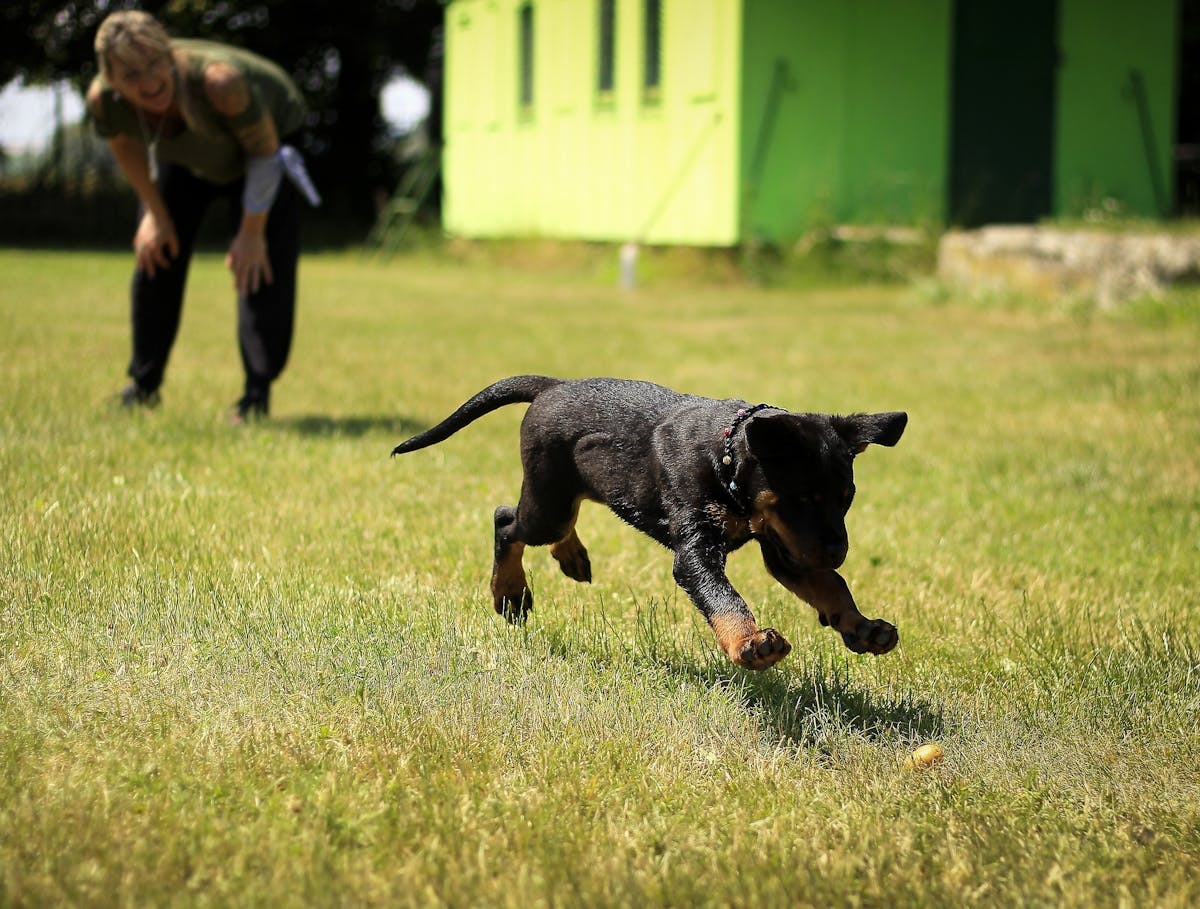
How to Introduce a New Dog to Your Home Successfully
Bringing a new dog home is exciting but needs careful management. Here's how to set your new dog up for success from day one.

How to Help a Dog With Separation Anxiety
Separation anxiety is distressing for dogs and owners. Here's a practical compassionate guide to understanding and improving separation anxiety in dogs.
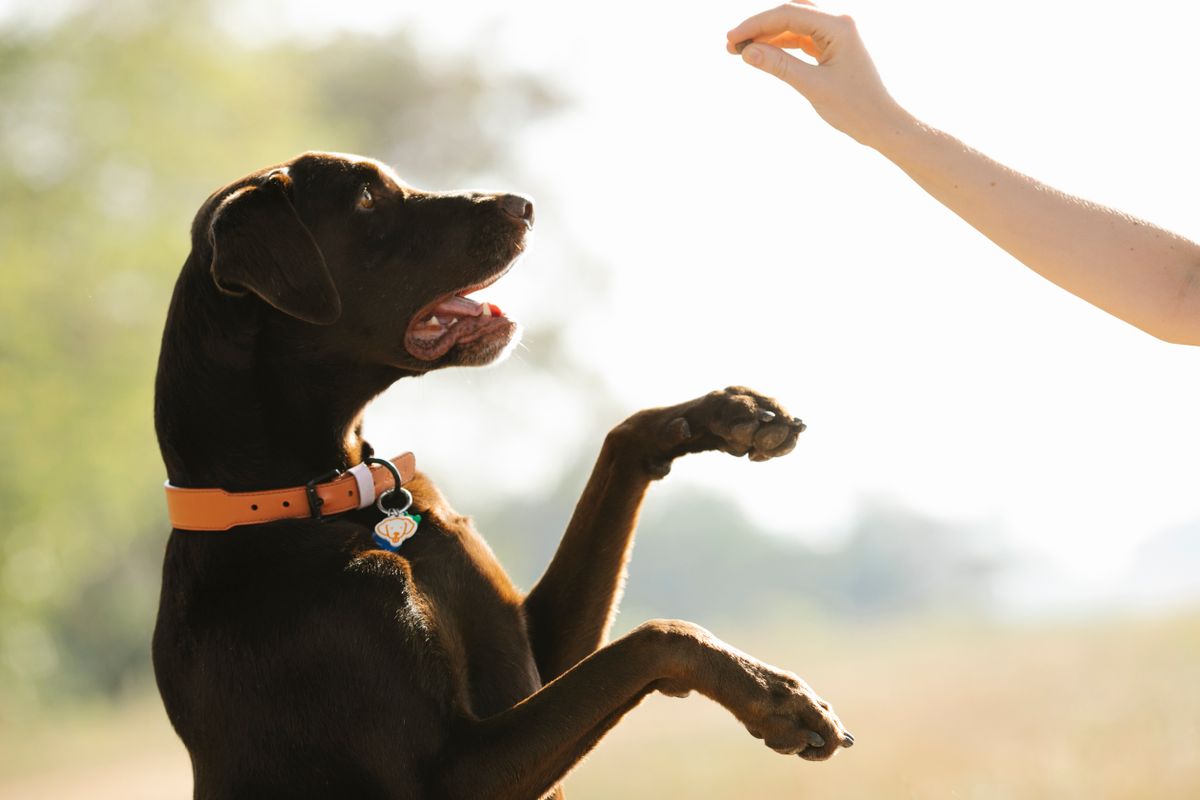
Why Do Dogs Bark? Understanding the Different Types of Barking
Dogs bark for many different reasons. Here's how to understand what your dog's barking means and how to address the most common types effectively.