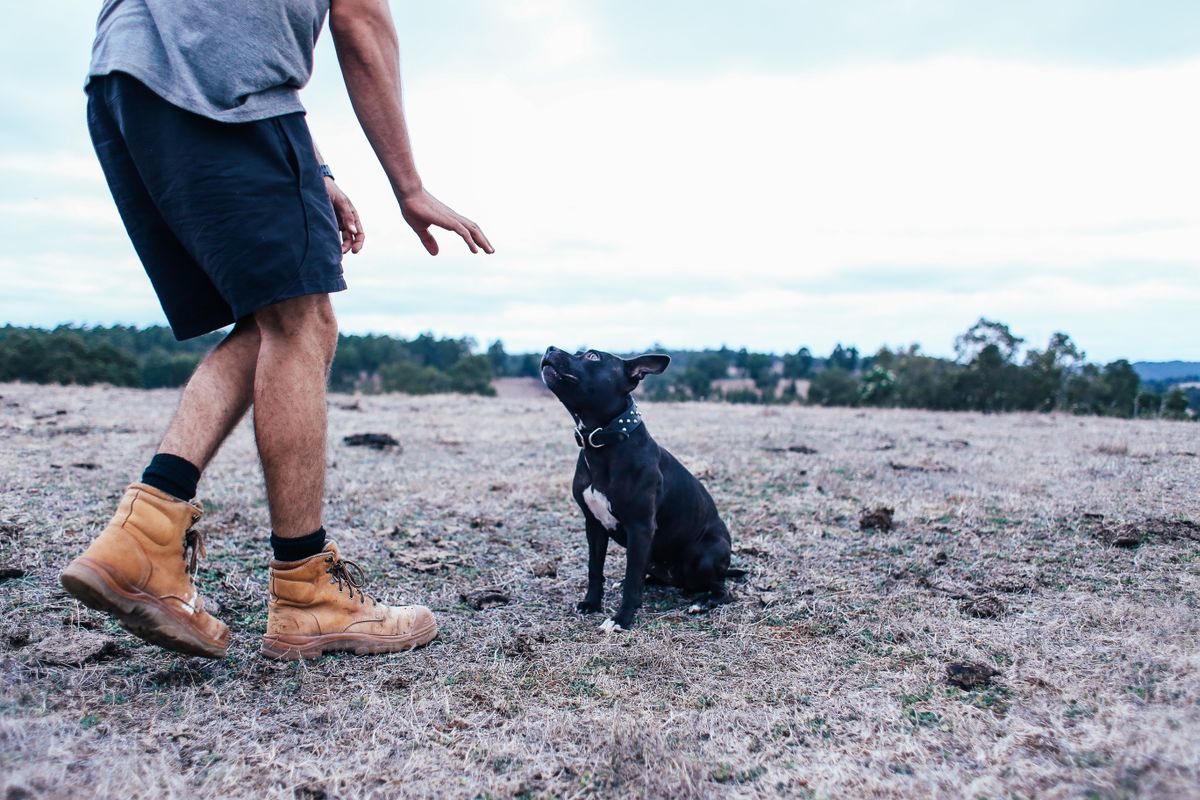
Should You Take a Reactive Dog to a Public Park?
If you have a reactive dog, the question of whether to take them to a public park can feel agonising. You want them to have exercise and enrichment — but you know the park can set off their reactivity and potentially make things worse. Here's how to think about it clearly.
What Actually Happens When a Reactive Dog Goes to the Park
For most reactive dogs, a public park visit involves a cycle of scanning, reacting, and recovering. Every reaction is a rehearsal — the dog learns that the big response they gave worked to create distance from the trigger. Over time, with repeated park visits in an uncontrolled environment, reactivity often gets worse rather than better.
This isn't a character flaw in your dog. It's a learned pattern being reinforced by repeated exposure without management.
When Parks Can Work for Reactive Dogs
Parks can be appropriate for reactive dogs when:
- The dog is at a stage where controlled exposure to distant triggers is part of their treatment plan
- You're working with a qualified behaviourist who has specifically recommended it
- You have a clear plan for managing distance and preventing over-threshold moments
- The park is large enough that you can maintain significant distance from triggers
Better Alternatives to Consider
- Private secure fields — trigger-free, off-lead freedom, complete environmental control
- Early morning or late evening walks in quieter public spaces
- Sniffari walks — slow walks in low-stimulus environments focused on sniffing
- Private training sessions with a behaviourist in a controlled setting
The Private Field Advantage for Reactive Dogs
A private dog field removes every trigger from the environment. Your reactive dog gets proper exercise, off-lead freedom, and the chance to decompress without the cycle of reactivity being rehearsed. Many owners find that regular private field sessions noticeably reduce their dog's baseline anxiety over time.
⚠️ Please Note: Reactivity management should be guided by a qualified, force-free behaviourist. This article is general guidance only. SnoopPaws does not provide training or veterinary advice.
Find a trigger-free space for your reactive dog. Search secure dog fields on SnoopPaws.
More in For Walkers
What to Bring to a Private Dog Field Session
Don't turn up unprepared. Here's the complete list of what to bring to a private dog walking field for the best experience for you and your dog.
Secure Dog Walking Fields in Leeds: How to Find and Book
Looking for a private dog field in Leeds? Here's how to find and book the best secure dog walking fields across Leeds and West Yorkshire.
How to Find the Best Dog Walking Field Near You
Looking for a secure dog field nearby? Here's how to find, compare and choose the best private dog walking field for you and your dog.