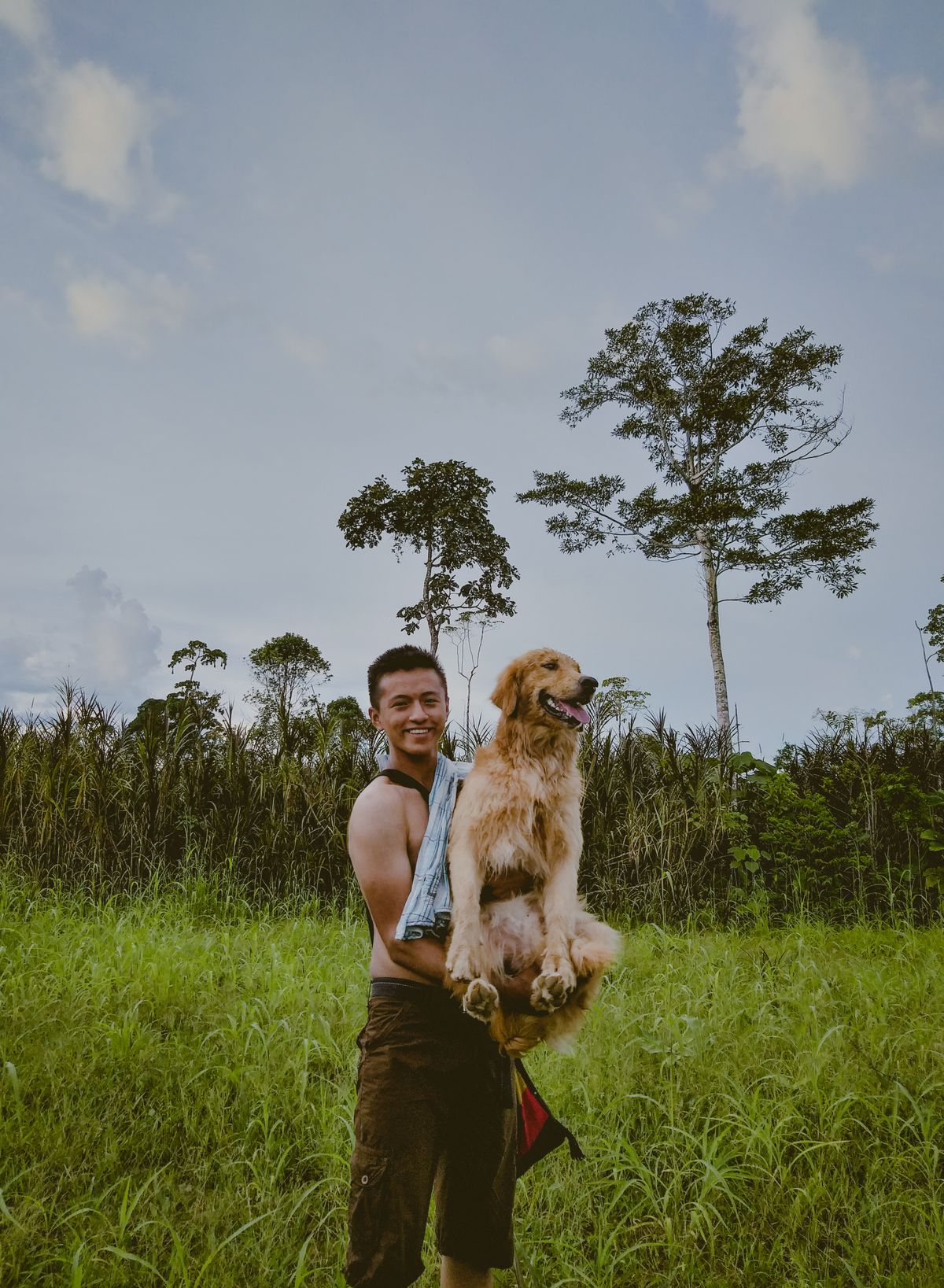
How to Help a Fearful Dog Gain Confidence
A fearful dog is one of the most challenging — and most rewarding — things to help. With the right approach, even very fearful dogs can make meaningful progress.
The Core Rule: Never Force It
The single most damaging thing you can do is force a fearful dog into situations that terrify them. Flooding does not work — it worsens anxiety. Progress comes entirely from choice and control: letting the dog decide when to approach and when to retreat.
Safe Spaces
Every fearful dog needs a space — usually a crate or quiet bed — where they feel completely safe. This space is never used for anything negative. The dog retreats here undisturbed whenever they choose.
Build Positive Associations Gradually
Pair scary things with good things at a distance the dog can cope with. A stranger at 20 metres plus treats, repeatedly, builds a new association over months. Patience is measured in months, not days.
The Private Field as a Tool
A trigger-free private field is often transformative for fearful dogs. For many, it's the first place they can be off-lead without constant anxiety. Regular sessions in a safe, consistent environment can significantly reduce baseline fear over time.
⚠️ Significant fear responses benefit greatly from professional guidance. Consult a veterinary behaviourist for severe cases. SnoopPaws does not provide behavioural advice.
Find a secure field near you. Search on SnoopPaws.
More in Dog Care
Dog Anxiety: Signs, Causes and How to Help
Dog anxiety is more common than most owners realise. Here's how to recognise the signs, understand the causes and take practical steps to help.
How to Introduce a New Dog to Your Home Successfully
Bringing a new dog home is exciting but needs careful management. Here's how to set your new dog up for success from day one.
How to Help a Dog With Separation Anxiety
Separation anxiety is distressing for dogs and owners. Here's a practical compassionate guide to understanding and improving separation anxiety in dogs.